
Buy a car today, and it typically stays exactly as it was on delivery day, apart from the occasional map update. Mahindra is trying to break that pattern for owners of its electric SUVs.
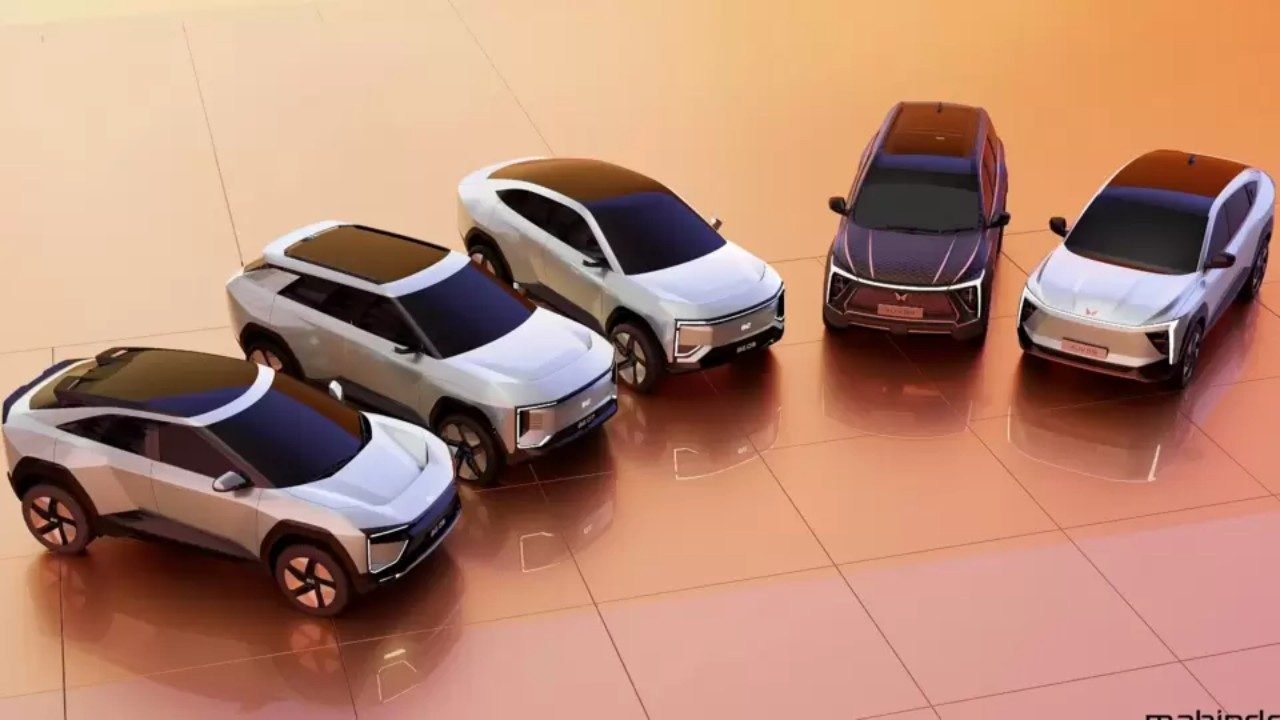
The newly launched BE 6 Sporteq introduces six new TEQ suites spanning AI, entertainment, driving, personalisation and security. What makes this more than a routine feature update is what Mahindra has confirmed alongside it: these same capabilities are set to reach existing Electric Origin SUV owners — the BE 6, XEV 9e and XEV 9S — starting January 2027, even though those vehicles are already on the road with customers.
Why This Is Possible at All
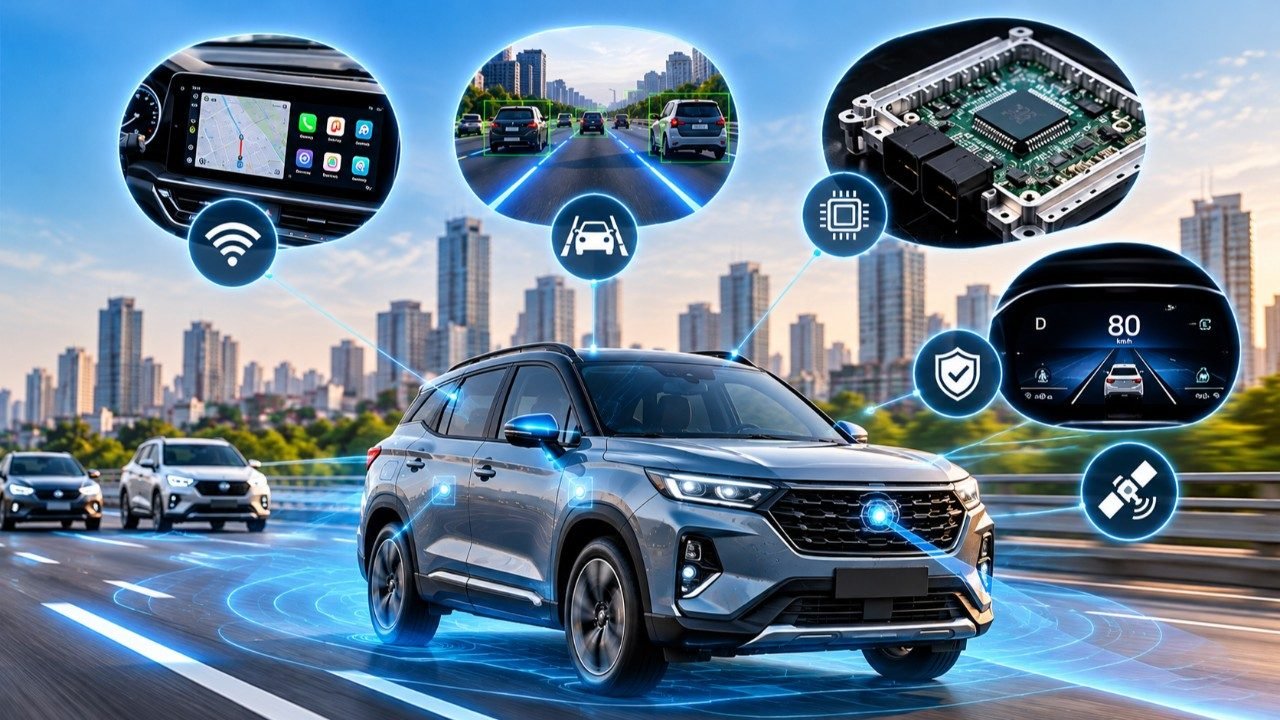
Here's the technical foundation that makes this work. Mahindra's Electric Origin SUVs were built from the ground up around a Software-Defined Vehicle architecture, internally called MAIA — Mahindra Artificial Intelligence Architecture. The system runs on a Qualcomm Snapdragon 8295 chipset, among the most advanced automotive-grade processors currently available, paired with an Ethernet-based network backbone connecting three high-performance computing units and three zonal ECUs.
In a traditional car, most functionality is locked into hardware and fixed firmware at the time of manufacturing. In an SDV architecture, a meaningful share of vehicle behaviour and features live in software layers that can be updated independently of the physical hardware — provided the underlying components support it.
What This Actually Means for Current Owners
If you already own a BE 6, XEV 9e or XEV 9S, the practical takeaway is straightforward: your car doesn't have to remain frozen at its delivery-day feature set. As Mahindra develops new software-driven capabilities for the Sporteq and future models, compatible features can make their way to your vehicle through over-the-air updates, the same way a smartphone receives new capabilities long after purchase.
There's an important caveat, though. Hardware limitations mean the exact feature set reaching each model may vary — a BE 6 Sporteq and an older XEV 9e may not end up with identical capabilities, since some features could depend on sensor or processing hardware that isn't present across every variant.
Why Mahindra Built It This Way
This didn't happen by accident. Mahindra partnered with German embedded-systems specialist Vector Informatik on a roughly one-year project to build MAIA from the ground up, specifically anticipating a future where feature evolution wouldn't stop at the factory gate. R. Velusamy, President of Automotive Technology & Product Development at Mahindra & Mahindra and Joint Managing Director at Mahindra Electric Automobile Limited, has previously described the goal as creating a genuinely future-ready electric platform rather than a one-time product launch.
Why This Matters Beyond Mahindra
Here's the bigger shift worth paying attention to. For years, the value proposition of buying a car was fixed at the point of sale — what you saw on the showroom floor was what you'd own for the vehicle's lifetime, cosmetic tweaks aside. Software-defined architecture inverts that logic, turning a car purchase into something closer to a platform that keeps evolving.
For a market like India, where EV buyers are still weighing whether electric vehicles offer genuine long-term value against their higher upfront cost, a manufacturer actively pushing meaningful new capability to cars already sold is a genuinely different kind of pitch than "buy now before it's outdated." It flips the usual depreciation-anxiety argument on its head.
Mahindra hasn't detailed the complete list of features headed to older Electric Origin SUVs, or whether any premium capabilities might come with an additional cost. But the direction is now confirmed: for owners of these EVs, January 2027 marks the point where their existing car starts getting genuinely smarter, not just older.
Have a tip on India's auto and EV space? Write to us at contact@techyrobber.com