
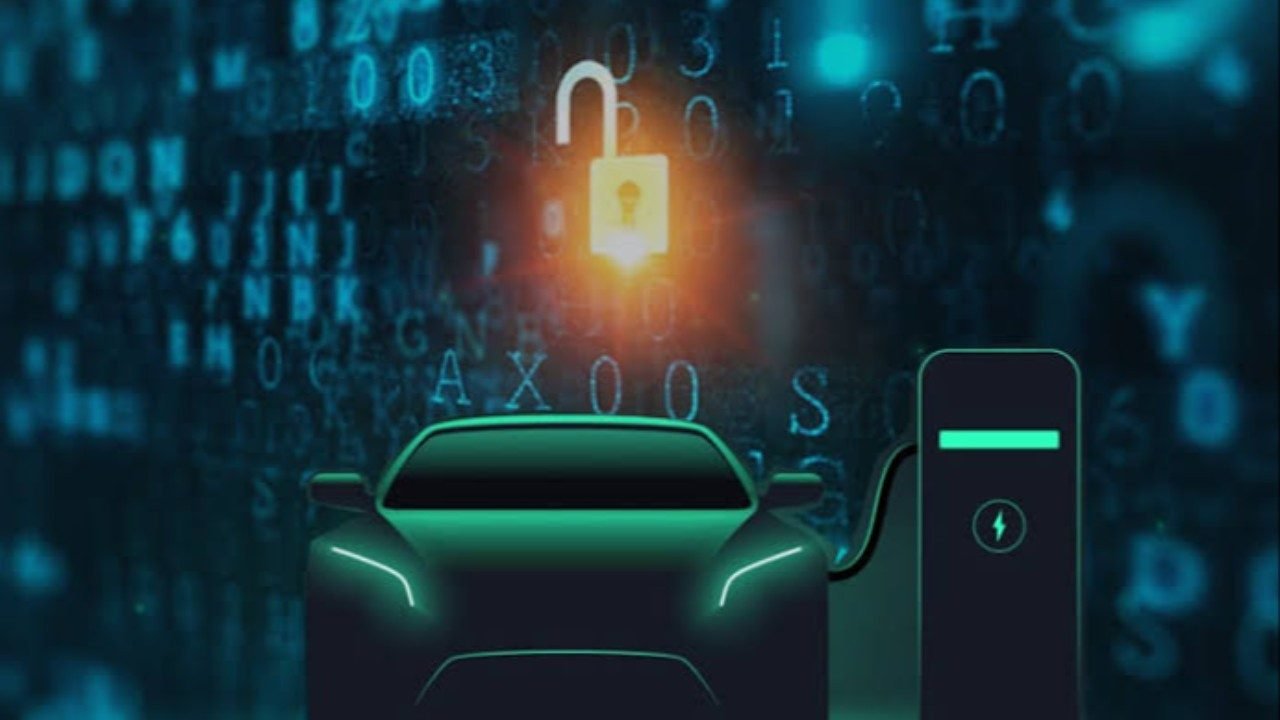
India's cars are turning into computers on wheels. And a new industry conversation is asking the question everyone has been avoiding: what happens when someone hacks one?
That question sits at the center of "Cybersecurity Dialogues," a new video series launched this week by Autocar Professional. Its first episode, titled "Can Your Car Be Hacked?", brings together some of the sharpest minds working on vehicle security in India today.
Who Is in the Room
The panel is not short on credibility. It features Dr Suresh D, Chief Technology Officer at Spark Minda, alongside Vikash Chaudhary, Founder and CEO of HackersEra, India's first dedicated automotive cybersecurity company.
Also joining the discussion are Shreshth Mishra of Simple Energy, Niraj Rajmohan of Ultraviolette Automotive, Girish Kamala of Infineon Technologies, and Divyakanth Mullangi Chenchu of VECTOR Informatik India. Mukul Yudhveer Singh hosts the series.
That is a lineup spanning component manufacturing, EV startups, chip design and security testing — which tells you this is not a niche IT concern anymore. It is a full-industry problem.
Why This Conversation Is Happening Now
Here is the shift driving all of this. Cars used to be mechanical machines with a few electronic add-ons. Today's vehicles run on software, stay connected to the internet, and receive updates the same way a smartphone does.
That connectivity brings convenience. It also brings exposure. A software-defined vehicle can, in theory, be probed, manipulated, or compromised remotely — the same way any connected device can.
HackersEra's Chaudhary has been vocal about this shift for years. His company estimates India will have more than 10 million connected vehicles on its roads by 2028. That is a lot of potential entry points, and very little time to build defenses around all of them.
The Regulation Behind the Urgency
This is not just an abstract industry worry. India has a cybersecurity regulation on the way.
AIS-189 is drafted and expected to take effect from October 2027. It will require automakers to run an organizational Cybersecurity Management System, cover 32 categories of threat analysis, apply 24 specific mitigation controls, maintain round-the-clock vehicle security monitoring, and retain documentation for ten years.
That is a heavy compliance load, and it explains why component makers like Spark Minda and specialist firms like HackersEra are already deep into this conversation, well ahead of the deadline.
What This Means for Buyers
Most car buyers in India are not thinking about firmware vulnerabilities when they walk into a showroom. But the systems being discussed in this panel — secure software updates, real-time threat monitoring, encrypted vehicle communication — are quietly becoming as important as airbags and crumple zones.
The uncomfortable truth is simple. As Indian vehicles get smarter and more connected, they also become more exposed. The industry conversation happening right now is an early sign that manufacturers know it, and are starting to treat security as a core engineering requirement rather than an afterthought bolted on at the end.
Cars used to break down. Now, they can be broken into.
Have a tip on India's auto and EV space? Write to us at contact@techyrobber.com