
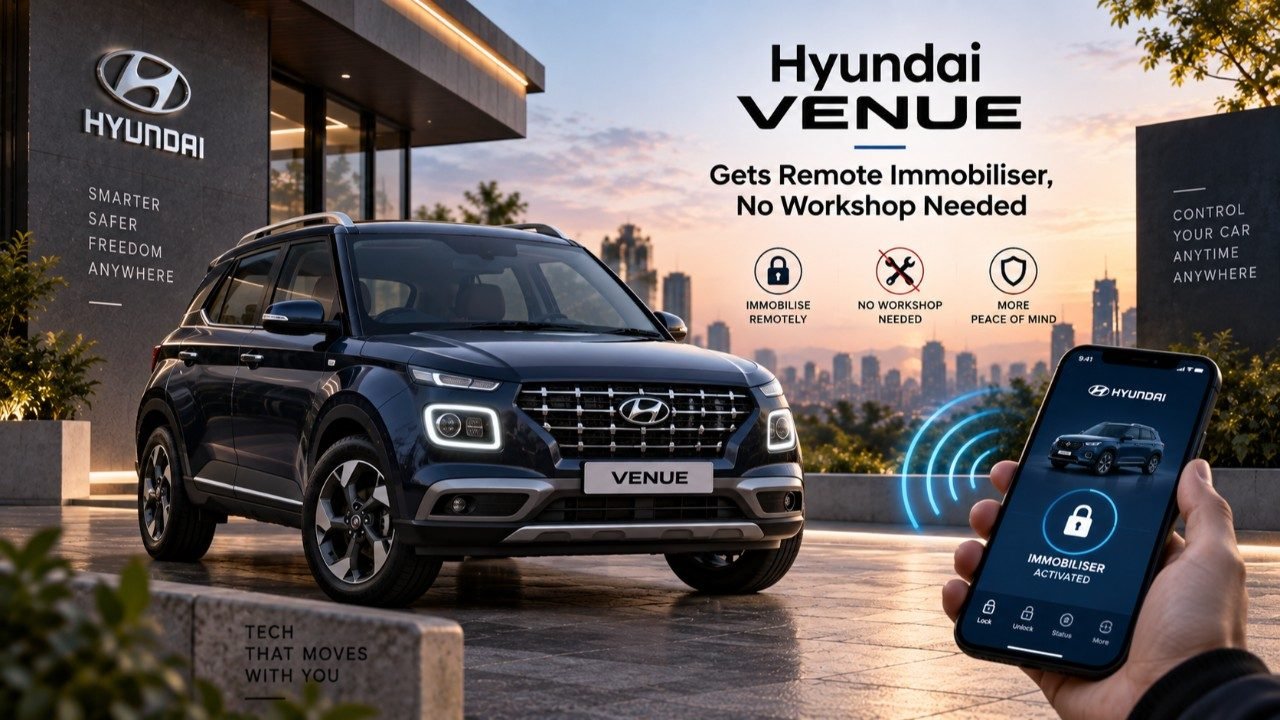
Hyundai Motor India has rolled out a new anti-theft feature for the Venue and Venue N Line, and the way it's being delivered matters as much as what it actually does. The Bluelink Remote Immobiliser reaches eligible cars entirely through software — no workshop visit required, no hardware swap, just a wireless update pushed directly to vehicles already on the road.
What the Feature Actually Does
Owners can activate the immobiliser directly through the Hyundai Bluelink smartphone app before leaving a parked vehicle. Once enabled, certain vehicle functions are disabled, and the Venue cannot be restarted without authorisation — a proactive layer of security for high-risk parking situations.
There's a reactive use case too. If an owner suspects their vehicle has already been stolen, they can activate the immobiliser remotely without needing to first contact Hyundai's Bluelink Centre — a genuinely useful detail, since removing that extra step could save real time in an active theft scenario. Hyundai has specifically designed the system so it won't stop or switch off a vehicle while it's actually moving, keeping occupant safety a priority over remote theft response.
Why Key Cloning Specifically Drove This
Here's the security gap this feature is built to close. Vehicle theft through key cloning has become an increasingly common method in India, where a cloned key can trick a car's conventional immobiliser into recognising it as legitimate and allowing a start. Hyundai's remote immobiliser adds a second, independent layer of defence that doesn't rely on key recognition at all — even a perfectly cloned key won't help if the owner has already locked the vehicle down through the app.
Paired with Bluelink's existing live vehicle location tracking, owners and law enforcement get a genuinely more complete theft-response toolkit than a standard immobiliser alone provides.
The Technology Behind the Rollout
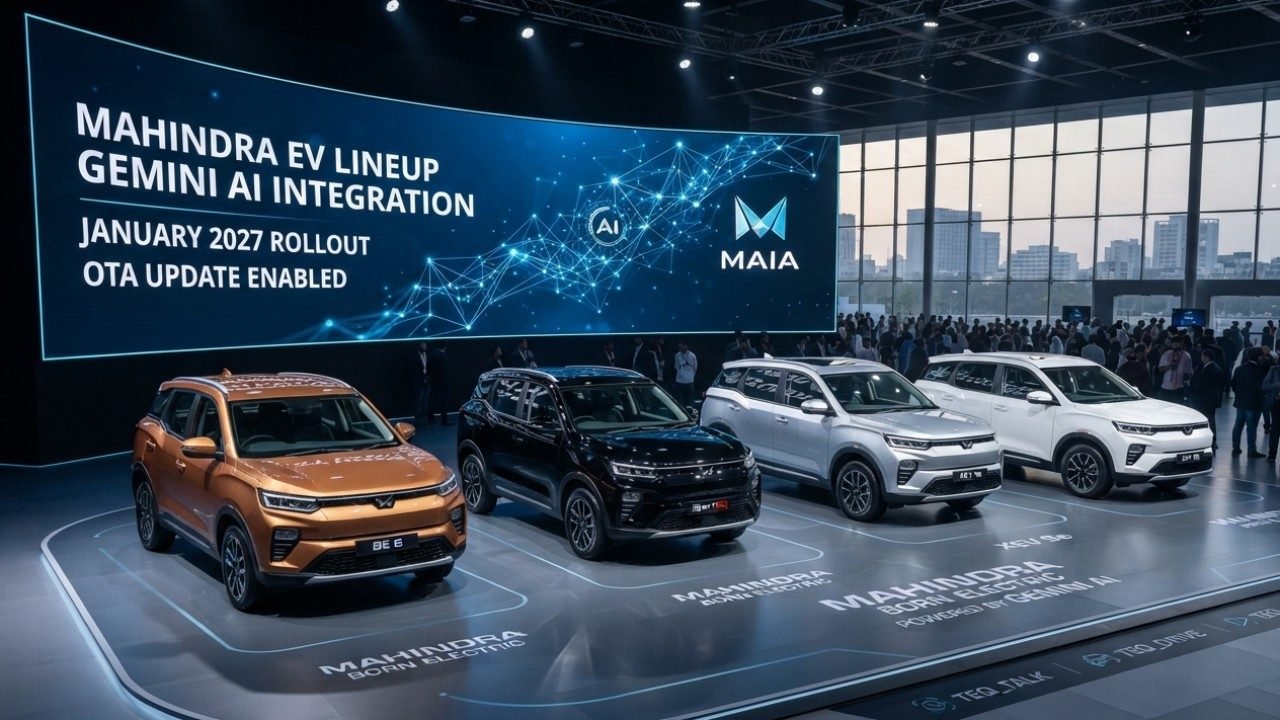
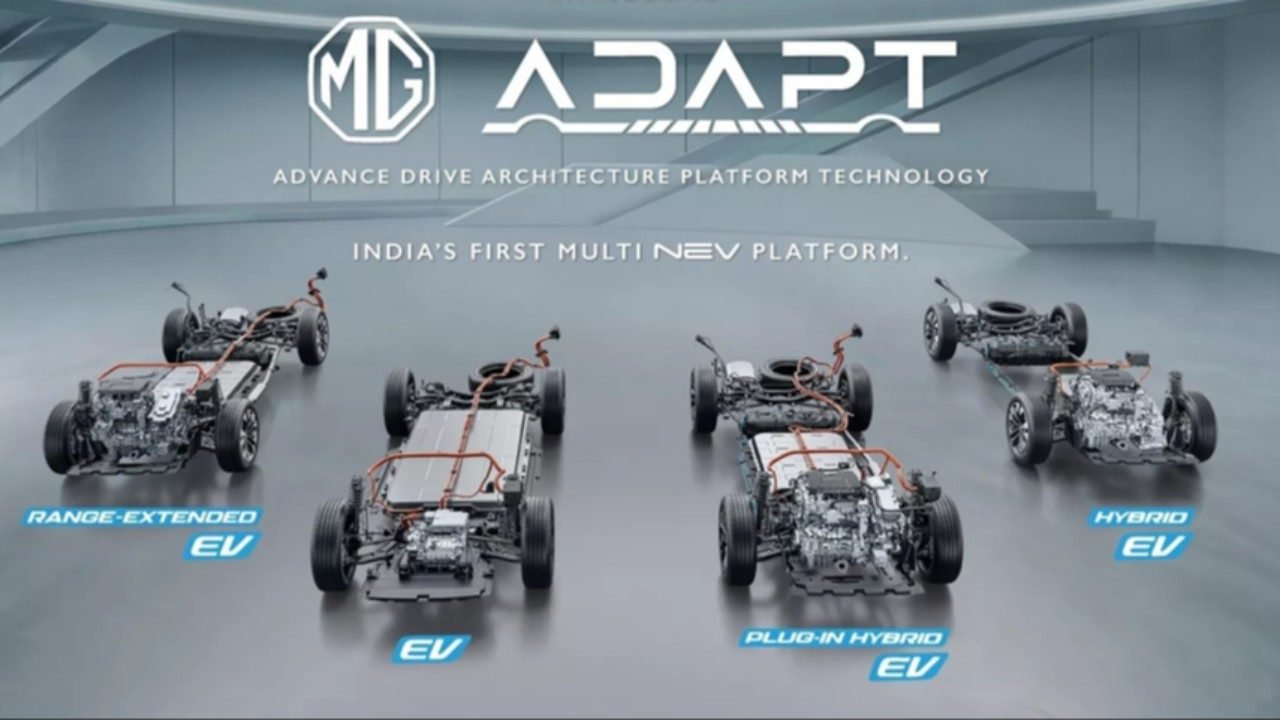
This is where the story becomes more than just a single feature update. Hyundai delivered the Remote Immobiliser through a Controller Over-the-Air (C-OTA) update — a wireless software push that can update up to 19 different vehicle controllers remotely, built on Hyundai's Software-Defined Vehicle architecture. That's the same underlying philosophy we've covered with Mahindra's MAIA platform and MG's ADAPT architecture: once a car's core systems are built around software-updatable controllers rather than fixed, one-time-programmed hardware, meaningful new capability can reach vehicles long after they've left the factory.
Eligible ccNC-equipped Venue HX10 and Venue N Line N10 units sold since November 2025 will receive the feature via this OTA update, with no workshop visit needed at all. From September 2026 onward, it comes standard on new production units of these same variants.
Why the Venue Specifically Matters as a Test Case
The Venue and Venue N Line mark Hyundai's first mass-market models to get this capability — the Ioniq 5 already had it, but that's a premium EV with a naturally smaller customer base. Bringing this to Hyundai's compact SUV lineup, one of its higher-volume nameplates, is a genuinely different test of whether software-defined architecture can scale meaningfully beyond flagship or halo models.
Hyundai Motor India CEO Tarun Garg noted that Bluelink now powers more than eight lakh connected vehicles in India, spanning 11 of the company's 15 current models — a substantial existing base that gives features like this genuine reach the moment they roll out, rather than needing years to build adoption from scratch.
What Comes Next
Hyundai has confirmed plans to expand Remote Immobiliser eligibility to other Bluelink-equipped models over time, through the same phased OTA approach rather than requiring a new model generation to introduce it. Given Bluelink's presence across a large share of Hyundai's current lineup, models like the Creta, Alcazar, and Verna look like natural candidates for the same rollout in the coming months.
Why This Matters Beyond One Feature
Vehicle security has traditionally been locked to whatever hardware and firmware a car shipped with on day one. A meaningful anti-theft capability arriving as a pure software update — reaching cars already sold, already driven, already out of warranty in some cases — is a genuinely different relationship between manufacturer and owner than the industry has operated under for most of its history. For Indian buyers increasingly weighing connected-car features as a genuine purchase factor, Hyundai's rollout here is a concrete example of what that shift actually looks like in practice, not just a marketing promise about future updates.
Have a tip on India's auto and EV space? Write to us at contact@techyrobber.com