
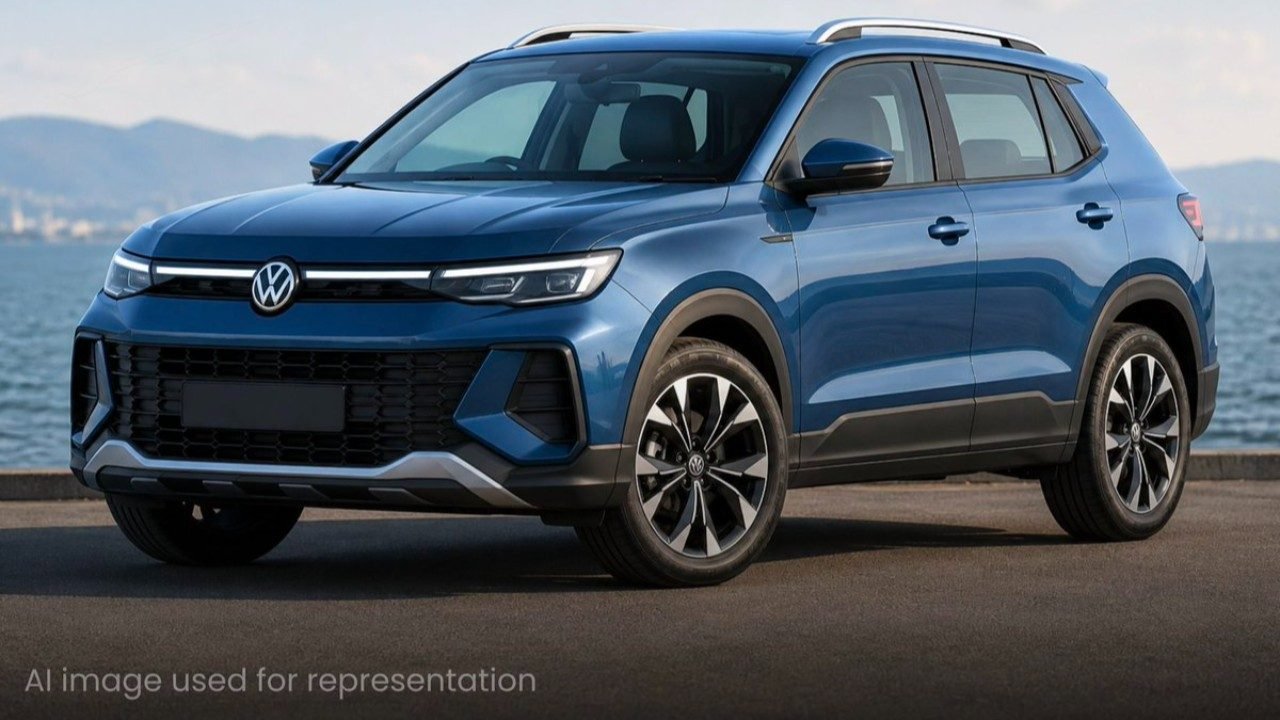
Volkswagen has finally put an official date on something the industry had been expecting for a while. The company has confirmed a new sub-4 metre SUV for India, scheduled to launch in 2027, and for the first time, it will be Volkswagen's most affordable model in the country.
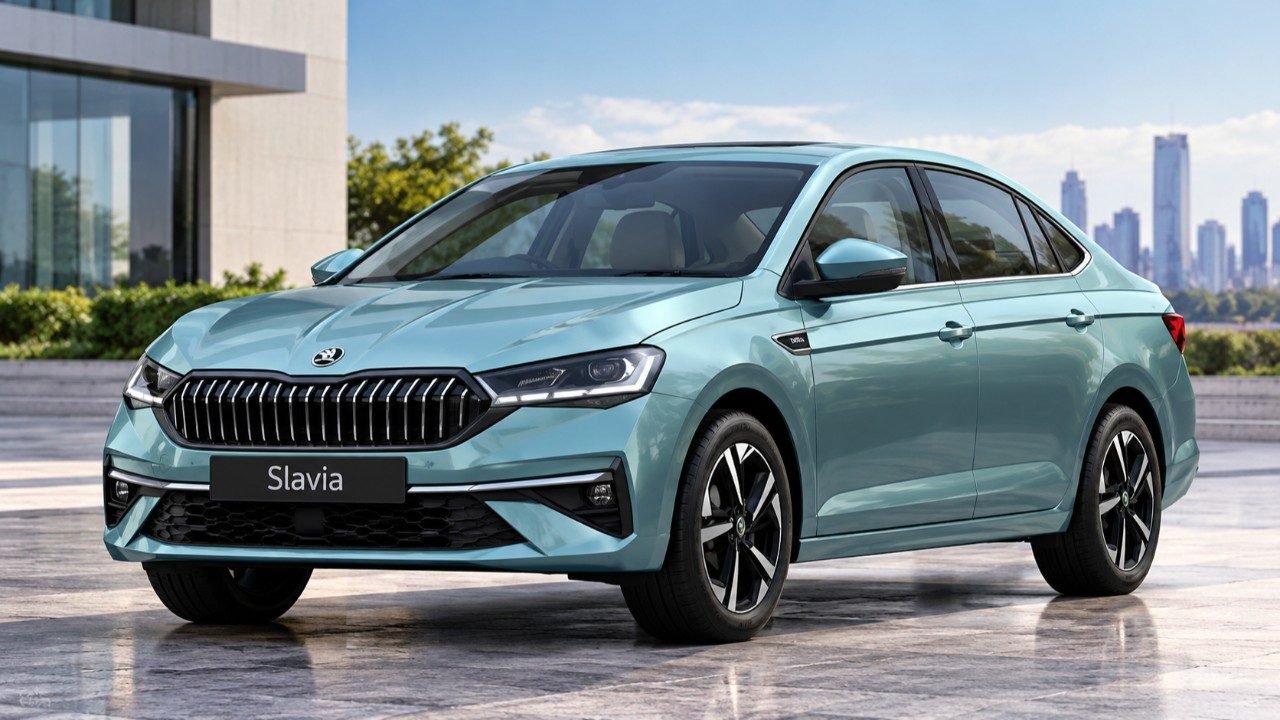
This isn't coming out of nowhere. Reports had already pointed to Volkswagen approving a compact SUV based on the Skoda Kylaq. That connection is now confirmed — the new SUV will run on the locally developed MQB-A0-IN platform, the same underpinnings shared by Kylaq, Kushaq, Slavia, Taigun and Virtus.
Why This Segment, Why Now
Here's the part that makes this more than a routine model addition. The sub-4m SUV space is one of the largest and most competitive segments in the entire Indian market, home to heavy hitters like the Tata Nexon, Maruti Brezza, Hyundai Venue, Kia Sonet and Mahindra XUV 3XO.
Volkswagen currently has zero presence in that segment. Its India lineup leans on the Taigun and Virtus for volume, both of which sit a size class above. A dedicated sub-4m SUV would slot in below the Taigun and give Volkswagen an actual entry point for first-time SUV buyers — a customer base it has essentially had no access to until now.
Borrowing From a Sister Brand, Carefully
The platform-sharing strategy isn't new for the Volkswagen Group in India. Taigun and Kushaq already run this playbook, as do Virtus and Slavia — same bones, different skin, different positioning.
Volkswagen has confirmed the new SUV will get a differentiated exterior and interior design rather than being a badge-swapped Kylaq. Powertrain details haven't been announced, but given the platform link, the Kylaq's 1.0-litre TSI turbo-petrol engine — offered with a 6-speed manual or a 6-speed torque converter automatic — is the most likely carryover.
The Numbers That Make This Interesting
This is where the story gets genuinely complicated for Skoda Volkswagen India as a group. The Kylaq has been the engine behind Skoda's recent growth in India, accounting for roughly 65% of the brand's total domestic sales in July 2026 alone, with 3,727 units sold that month.
But that momentum has started cooling. Kylaq's January-July 2026 sales grew just 2.32% year-on-year, and looking at the more recent February-July window specifically, sales actually declined by 5%.
That timing raises an obvious question: is Volkswagen launching a genuine growth opportunity, or setting up direct competition with its own sister brand's best-performing model?
Two Ways This Could Play Out
There's a real case for both outcomes. A Volkswagen-badged alternative could pull in buyers who like the Group's engineering and value but specifically prefer Volkswagen's styling and badge over Skoda's — expanding the combined pie rather than splitting it.
On the other hand, two SUVs sharing a platform, likely similar powertrains, and comparable positioning creates an obvious risk of cannibalisation. Buyers cross-shopping within the same showroom group don't always pick the newer badge; sometimes they just pick whichever one is cheaper or has a promotion running that month.
What Determines the Outcome
Pricing and product identity will decide which scenario plays out. Volkswagen will need to carve out a distinct enough personality for this SUV that it pulls in genuinely new buyers to the Group, rather than simply shuffling existing Skoda customers over to a Volkswagen showroom.
With 2027 still some way off, there's time to get that balance right. But the announcement itself signals something bigger: Volkswagen is done sitting out India's most competitive SUV segment, even if it means competing with its own family along the way.
Have a tip on India's auto and EV space? Write to us at contact@techyrobber.com