
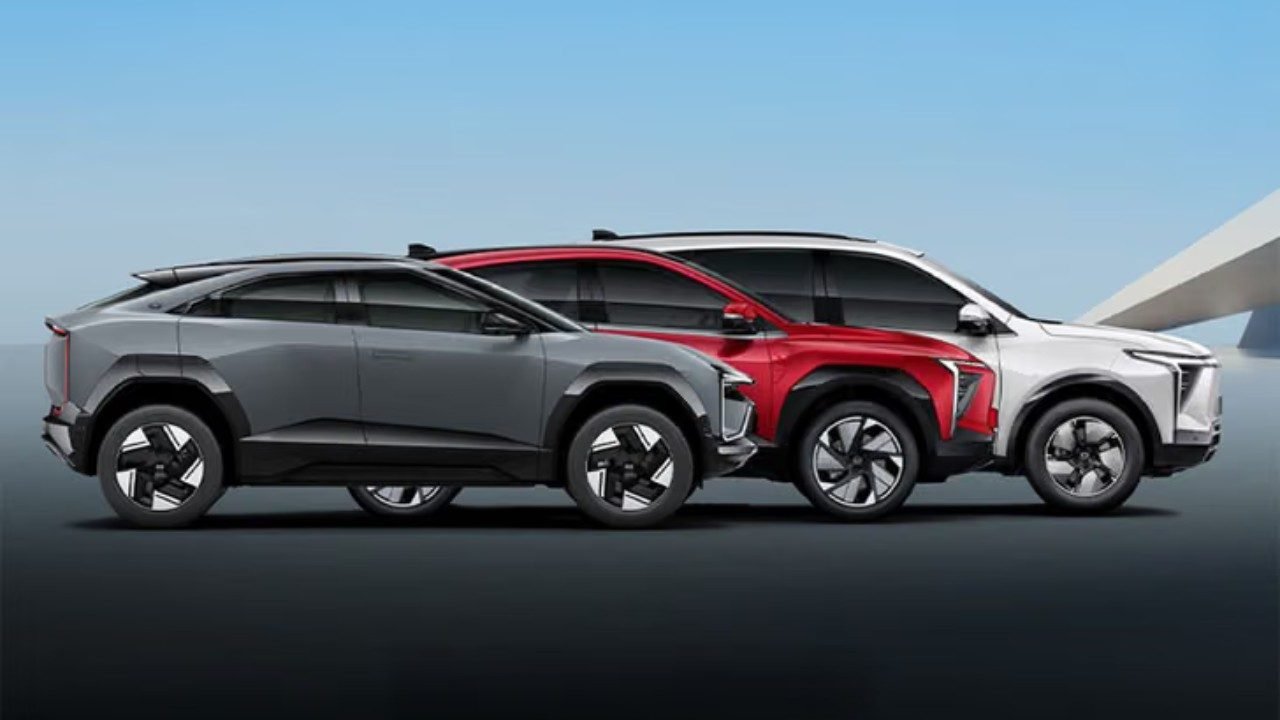
Mahindra has widened its Battery-as-a-Service programme to cover its entire Electric Origin SUV lineup, and the effect on entry pricing is substantial. The scheme, previously limited to select BE 6 Sporteq trims, now applies across every variant of the BE 6 Sporteq, XEV 9S, and XEV 9e.
Under BaaS, the Mahindra XEV 9S now starts at Rs 12.65 lakh, and the XEV 9e at Rs 13.90 lakh — both roughly Rs 8 lakh below their standard outright-purchase prices of Rs 20.65 lakh and Rs 21.90 lakh respectively.
How the Pricing Structure Actually Works
Here's the mechanism behind the lower sticker price. BaaS separates the cost of the battery from the vehicle itself. Instead of paying for the complete battery pack upfront as part of the purchase price, buyers finance the battery separately through one of Mahindra's finance partners, paying it off through a recurring cost tied to usage.
Mahindra has been specific about how that recurring cost is structured: a monthly battery EMI starting at Rs 6,975, working out to an effective running cost of Rs 3.75 per kilometre. That figure is calculated using an assumed 60km of daily driving alongside a specified down payment — actual monthly costs will vary depending on individual financing terms and real-world usage.
The company has been clear on one important distinction: BaaS is a financing product, not a pay-per-use rental scheme. Approval depends on the finance partner's own terms and discretion, the same as any other vehicle loan.
Why the Timing Looks Deliberate
Mahindra hasn't officially linked this expansion to any competitor's move, but the timing is hard to ignore. This announcement lands just two days after JSW MG Motor India launched the Hector Tomahawk EV and PHEV — a direct rival aimed at exactly this segment of large electric SUVs.
With BaaS now applied, the XEV 9S can be advertised with an entry price of Rs 12.65 lakh, comfortably undercutting the Tomahawk EV's starting price of Rs 19.49 lakh, even accounting for the Tomahawk's own BaaS option that brings it down to Rs 13.99 lakh. That's a genuinely aggressive positioning move at a moment when competition in India's electric SUV space is intensifying fast.
What Buyers Actually Get
Beyond the pricing mechanics, both EVs continue to carry strong battery warranty terms. The XEV 9e's 79kWh battery pack comes with a lifetime warranty for the first owner, while the XEV 9S carries a 15-year or lifetime battery warranty, also for the first owner — reassurance that matters given the battery itself is now the centerpiece of a separate financial arrangement rather than a one-time upfront cost.
Both models offer three charging options: a 7.2kW AC home charger, an 11kW AC home charger, and a 175kW DC fast charger, giving buyers flexibility depending on their home setup and typical charging needs.
Where This Leaves the Competitive Field
The XEV 9S and XEV 9e already compete against the Tata Harrier EV, Tata Sierra EV, Tata Curvv EV, Hyundai Creta Electric, BYD Atto 3, and the MG ZS EV — a genuinely crowded field of electric SUVs at various price points. A meaningfully lower entry price, even one dependent on separate battery financing, gives Mahindra a real tool to draw in buyers who've been hesitant about the higher upfront cost typically associated with electric SUVs in this segment.
For buyers actively comparing options right now, the practical takeaway is straightforward: BaaS genuinely lowers the barrier to entry, but the full cost of ownership — vehicle price plus ongoing battery financing — needs to be weighed carefully against a straight outright purchase before deciding which route actually works out cheaper over the years someone plans to keep the vehicle.
Have a tip on India's auto and EV space? Write to us at contact@techyrobber.com