
India's electric car market crossed 35,000 monthly registrations for the fourth consecutive month in September 2026, with figures landing between 35,048 and 35,995 units depending on the specific tracking methodology used, up roughly 94-98% year-on-year. Beyond the headline growth number, the real story sits in just how much deeper the competitive field has gotten beneath the two established leaders.
The Number That Actually Stands Out
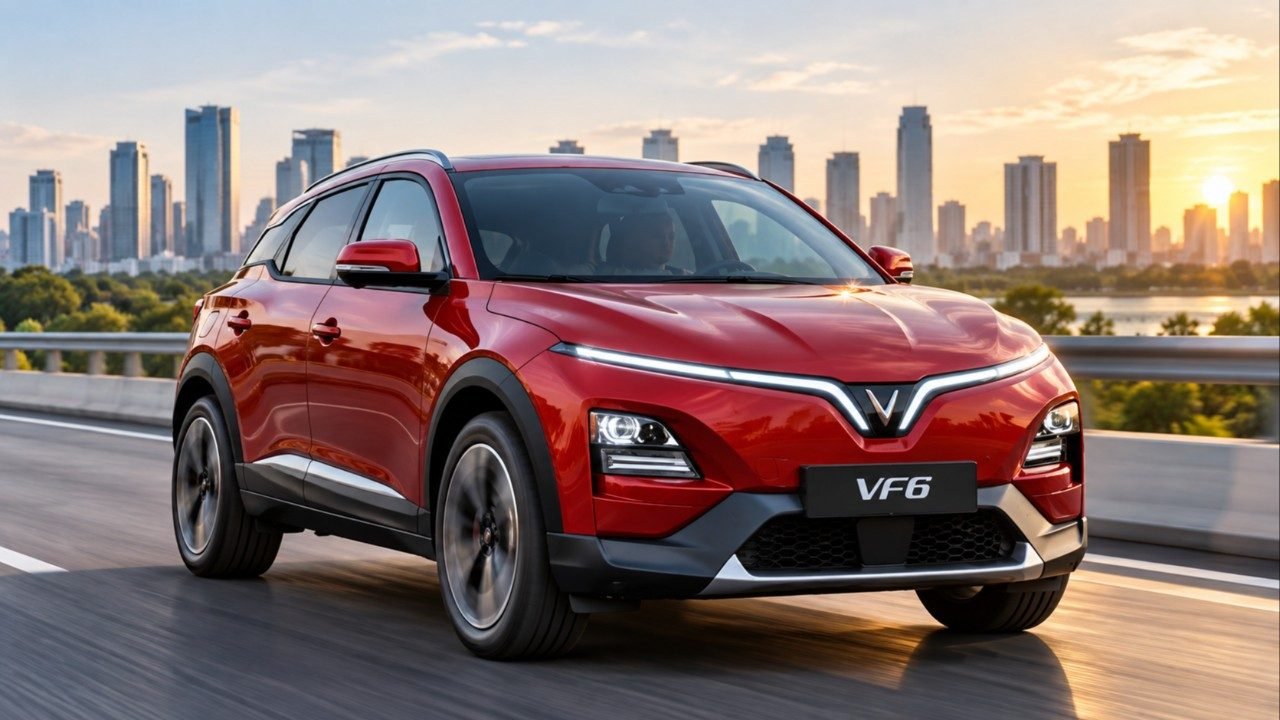
Here's the figure worth sitting with. VinFast registered 2,963 electric cars in September — against just 6 units in the same month last year. That's not a typo: a 49,283% year-on-year increase, retaining fourth place and pushing the company's market share to roughly 8.2-8.5%. We've tracked VinFast's India journey closely this year, from its manufacturing localisation pause through its aggressive dealer network expansion — and September's registration numbers suggest that retail push is translating into genuine showroom traffic, even while deeper component localisation on specific models remains paused.
Where Tata And Mahindra Still Stand
Tata Motors remained comfortably in first place, with registrations reported between 14,722 and 14,792 units depending on the source, giving it roughly 41-42.2% market share — a genuinely modest improvement over last year's 39.7-41.1%, even as the overall market has expanded sharply around it. This marks Tata's fourth consecutive month with sales above 12,000 units, and its highest monthly total yet, surpassing July's previous high.
Mahindra held second place with 7,779-7,782 units, up roughly 96% year-on-year, maintaining a market share just above 22% — essentially unchanged from a year earlier in percentage terms, even as its absolute volume nearly doubled. Combined, Tata and Mahindra accounted for roughly 63-64.4% of all electric car registrations in September — still a dominant combined position, a figure we've tracked closely since our earlier coverage of their combined market grip, but one that's held essentially flat rather than growing further.
MG's Genuinely Interesting Paradox
Here's a detail worth understanding carefully. MG Motor's actual unit sales grew — 5,242 units, up roughly 9% year-on-year and 6% from August. But its market share fell sharply, from 26.8% a year earlier to around 14.6-15% now. That's not MG doing worse in absolute terms; it's the overall market growing so much faster than MG specifically that its slice of the pie shrank even while the actual number of cars it sold increased. The same mathematical pattern we flagged in our earlier Ola Electric coverage, just playing out in the car segment this time.
A Market That's Genuinely Getting Deeper
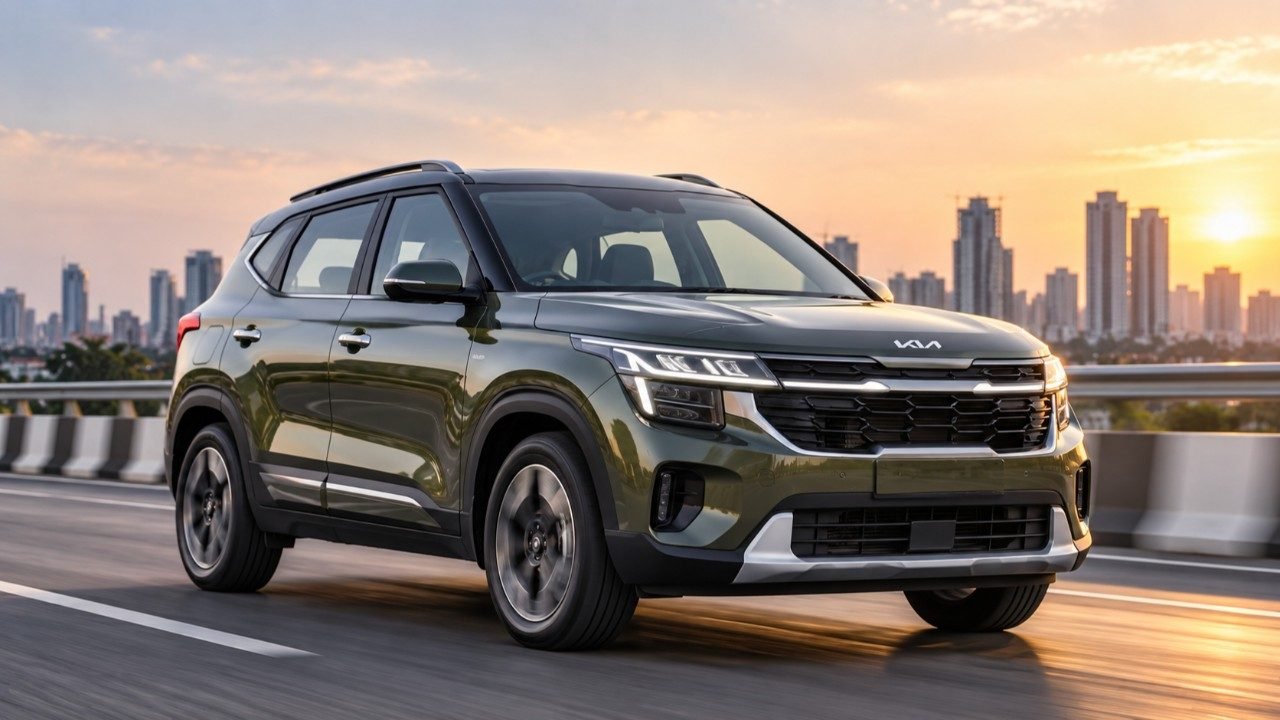
Beyond the top four, Kia overtook Maruti Suzuki for fifth place in September — both brands, along with Toyota, recorded some of their best-ever monthly EV sales figures. Reporting on the broader picture notes that five of the 19 players currently active in India's electric passenger vehicle segment hit their individual highest-ever monthly sales in September simultaneously — a genuinely broad-based growth month, not one or two companies carrying the entire market's expansion.
Why This Growth Is Happening Right Now
September sits right at the close of the first half of FY2027 and the immediate run-up to India's festive season — the period we've tracked driving nearly every major launch and sales push across the industry this quarter. EV penetration as a share of total passenger vehicle sales also climbed, landing between 8.2-8.3% depending on the exact tracking source, a meaningful structural shift for a segment that's historically struggled to break meaningfully past single digits.
What This Means Going Forward
For an industry that's spent years debating whether India's EV adoption would stay concentrated among one or two dominant brands, September's numbers offer a genuinely useful data point: growth is happening broadly, not narrowly. Tata and Mahindra's combined share holding roughly flat, even as total volume nearly doubles, suggests newer entrants and smaller players are capturing a meaningful share of incremental demand rather than established leaders simply scaling with the market. With festive season buying still ahead through October and November, this September baseline sets a genuinely strong platform for whether that broader competitive pattern continues to hold.
Have a tip on India's auto and EV space? Write to us at contact@techyrobber.com