
Four lakh electric vehicles is a big number on its own. But the story behind it is really about who's actually driving them.
Mahindra Last Mile Mobility Limited has crossed four lakh cumulative electric vehicle sales, becoming the first commercial vehicle manufacturer in India to reach this milestone. The company, a subsidiary of Mahindra & Mahindra, has now held the position of India's largest electric commercial vehicle manufacturer for four consecutive financial years running.
Who's Actually Buying These Vehicles
Here's the thing about this milestone — it isn't measured in showroom footfall or brand loyalty surveys. It's measured in daily earnings.
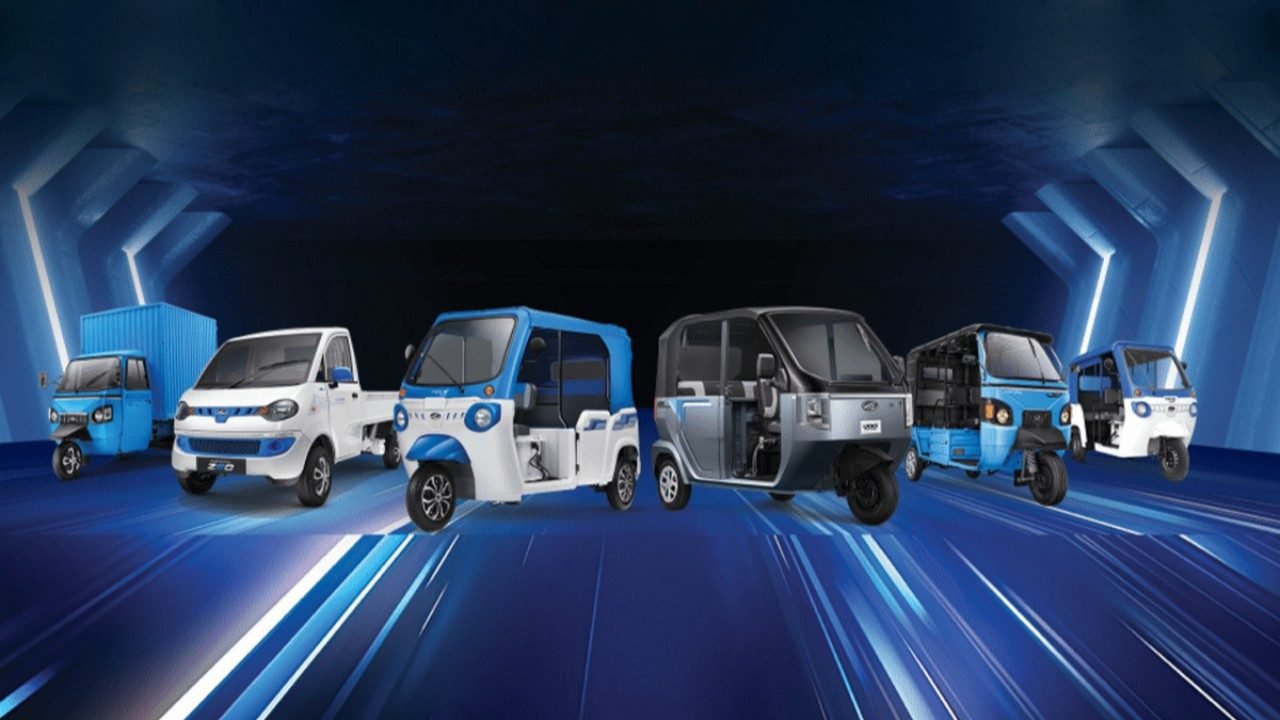
MLMML's electric portfolio spans the Treo range, UDO, Zor Grand, e-Alfa and ZEO, covering both passenger mobility and cargo applications. These are the electric three-wheelers and small commercial vehicles that drivers, delivery partners, shopkeepers, and small business owners rely on every single day to make a living.
Mahindra Group Chairman Anand Mahindra framed the achievement around exactly that point, describing last-mile mobility as the actual starting point of India's broader EV transition rather than a side segment of it.
The Numbers Behind the Milestone
Collectively, Mahindra's electric commercial vehicles have covered more than 9 billion kilometres. That's an enormous amount of real-world usage, not lab testing or promotional mileage — every one of those kilometres represents an actual delivery run, passenger trip, or cargo haul.
The company estimates this has helped avoid roughly 1.85 lakh metric tonnes of CO2 emissions, which Mahindra equates to the environmental impact of planting more than 8.3 million trees.
Why This Segment Adopts EVs Differently
Suman Mishra, Managing Director and CEO of Mahindra Last Mile Mobility, made a point of framing this milestone in human terms rather than as a corporate sales figure: "4 Lakh is not just a number for us — it is 4 Lakh livelihoods we helped power every single day."
That framing matters because it explains why EV adoption has moved faster in this segment than in personal passenger vehicles. A private car buyer weighs an EV against convenience, range anxiety, and charging access. A three-wheeler driver or delivery operator weighs it against something more immediate: whether the lower running cost per kilometre translates into more money in their pocket at the end of the day. When the economics work, adoption follows quickly — no climate messaging required.
What Comes Next
Mahindra Last Mile Mobility isn't slowing its target down. The company has set a goal of putting 10 lakh electric vehicles on Indian roads by 2031. Having just crossed the 4 lakh mark, that means adding another 6 lakh units over the next several years — a meaningfully steeper climb than the one that got them here.
Getting there will depend on continued investment in financing options, charging and service infrastructure, and dealer partnerships, since last-mile operators typically run on thin margins and need dependable after-sales support to keep vehicles on the road daily.
For an industry still debating how fast India's broader EV transition will move, MLMML's numbers offer a clear answer from one corner of the market: when the economics make sense for the person behind the wheel, the transition doesn't need convincing. It just needs the right product.
Have a tip on India's auto and EV space? Write to us at contact@techyrobber.com