For exactly 49 months, the price you paid at the fuel pump didn't change. Not once. Through elections, through global oil shocks, through a war in West Asia that sent crude prices spiralling – the number on that digital board at your local petrol station stayed frozen. It became something you stopped thinking about, almost like a fixed utility bill.
On Friday, May 15, 2026, that freeze ended.
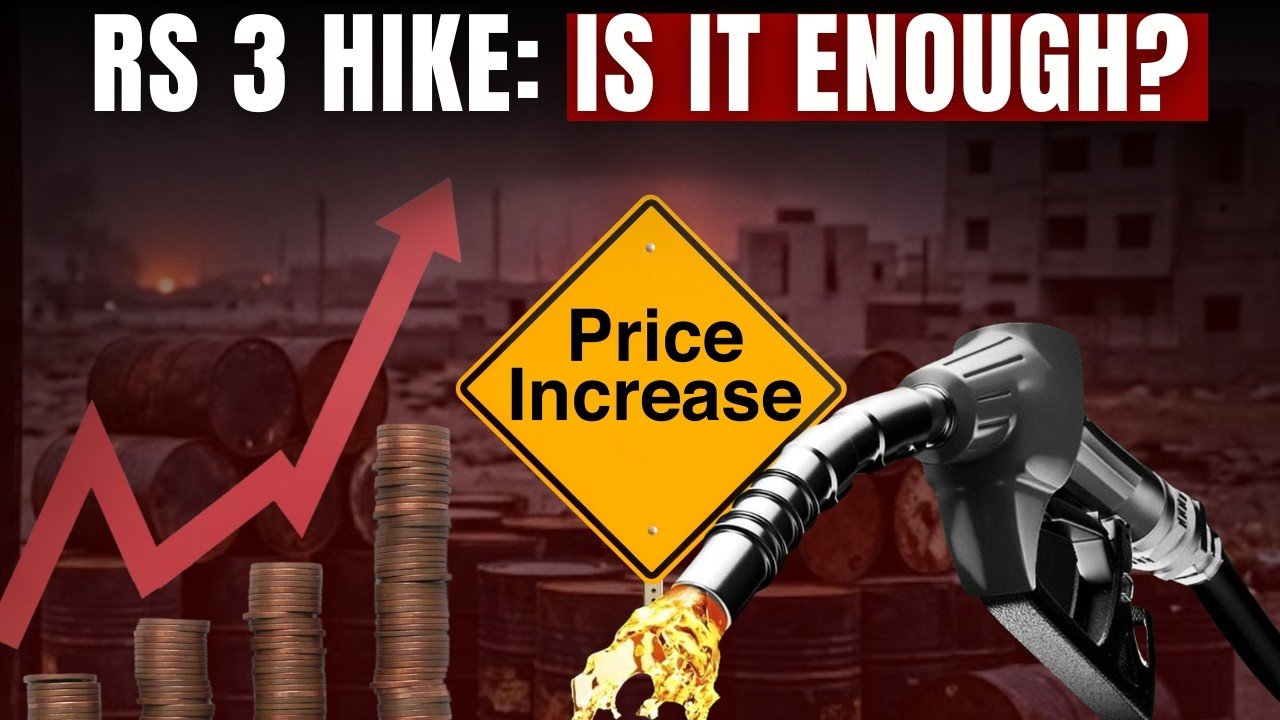
India's three state-owned oil marketing companies – Indian Oil Corporation (IOC), Bharat Petroleum (BPCL), and Hindustan Petroleum (HPCL) – raised petrol and diesel prices by ₹3 per litre each across the country. CNG prices were also increased. This is the first fuel price revision in over four years, and it affects every single person who drives, rides, commutes, or buys anything that travels by road – which is, essentially, everyone.
The New Prices – City by City
Here's what you're now paying at the pump:
| City Petrol (Old) Petrol (New) Diesel (Old) Diesel (New) | ||||
| Delhi | ₹94.77 | ₹97.77 | ₹87.67 | ₹90.67 |
| Mumbai | ₹103.68 | ₹106.68 | ₹89.97 | ₹92.97 |
| Kolkata | ₹105.74 | ₹108.74 | ₹91.72 | ₹94.72 |
| Chennai | ₹100.67 | ₹103.67 | ₹92.18 | ₹95.18 |
| Jaipur | ₹104.99 | ₹107.99 | ₹90.26 | ₹93.26 |
The variation between cities is due to different state-level taxes (VAT) applied on top of the base fuel price. Mumbai and Kolkata remain the most expensive cities for petrol in the country, with prices now firmly above ₹106 per litre.
Why Now? The Story Behind the Hike
The timing of this hike tells you almost as much as the hike itself. To understand why it happened on May 15 specifically, you need to look at three intersecting factors.
The West Asia Conflict and Crude Oil Surge
The most immediate trigger is the ongoing conflict in West Asia, which has sent global crude oil prices on a dramatic upward trajectory. India's crude oil import basket averaged around $69 per barrel in February 2026. By mid-April, prices had surged to $113-114 per barrel – an increase of over 50 per cent in barely two months.
India imports over 80 per cent of its crude oil requirements. When international prices jump by 50 per cent, the cost of refining and distributing fuel domestically jumps with it. The three public sector OMCs were absorbing these losses rather than passing them to consumers – but that absorption has limits.
The Scale of OMC Losses
How big were those losses? According to reports citing oil ministry officials, retailers were losing approximately ₹100 per litre on diesel and ₹20 per litre on petrol at the prices that were in effect before the hike. These aren't small numbers. Across the millions of litres sold daily at over 1 lakh fuel stations nationwide, the cumulative daily loss was staggering.
The ₹3 hike provides only partial relief. Industry sources describe it as covering roughly one-tenth of the correction that would actually be needed to fully account for the crude price surge since the West Asia conflict began. In other words, don't be surprised if further hikes follow in the coming weeks.
The Election Calendar
Here's the part that surprises nobody but still needs to be said. The fuel price hike came exactly 16 days after assembly elections concluded in Assam, Kerala, Tamil Nadu, and West Bengal. Fuel prices had been held steady through the entire polling period despite the international crude situation making that position financially untenable.
This pattern is neither new nor unique to any political party. Fuel prices in India have historically been managed around election cycles, with hikes typically deferred until after votes are counted. RBI Monetary Policy Committee member Ram Singh had explicitly forecast post-election fuel price hikes before the polls even ended. Private refiner Nayara Energy had already raised its pump prices in late March to stem its own losses, making the PSU companies' freeze even more conspicuous.
How Does This Affect Your Monthly Budget?
Let's make this practical. Here's what a ₹3/litre hike actually means for different types of vehicle owners:
For Car Owners
| Usage Pattern Monthly Fuel Cost (Before) Monthly Fuel Cost (After) Extra Cost | |||
| Daily commuter (1,000 km/month, 15 kmpl) | ₹6,318 | ₹6,518 | +₹200 |
| Weekend driver (500 km/month, 12 kmpl) | ₹3,949 | ₹4,074 | +₹125 |
| Heavy user (2,000 km/month, 10 kmpl) | ₹18,954 | ₹19,554 | +₹600 |
For the average car owner doing around 1,000 km per month, the direct impact is roughly ₹200 extra per month – noticeable but not devastating. Heavy users and people driving fuel-hungry SUVs will feel it more.
For Bike and Scooter Riders
| Usage Pattern Monthly Cost (Before) Monthly Cost (After) Extra Cost | |||
| Daily commuter (800 km/month, 45 kmpl) | ₹1,685 | ₹1,738 | +₹53 |
| Delivery rider (3,000 km/month, 40 kmpl) | ₹7,107 | ₹7,333 | +₹226 |
Two-wheeler riders are less affected in absolute terms, but delivery riders and gig workers who cover high daily distances will feel the pinch more acutely – and they're often the ones who can least afford it.
For Diesel Vehicle Owners (Trucks, SUVs)
Diesel-powered vehicles are the backbone of India's logistics network. A ₹3 hike on diesel directly increases the cost of moving goods across the country. For individual diesel SUV owners, the impact is similar to petrol cars. But the cascading effect on freight rates, and subsequently on the prices of everything from vegetables to electronics, is the bigger concern.
The Inflation Ripple Effect – Why This Matters Beyond the Pump
The ₹3 hike isn't just about what you pay at the fuel station. It's about what you pay for everything else.
The direct impact on Consumer Price Index (CPI) inflation is estimated at around 15 basis points. That sounds small. But the indirect effects are significantly larger and take 2-3 months to fully work through the economy.
Here's the chain reaction:
Fuel costs rise → Transportation costs rise → Freight rates increase → Goods become more expensive to move → Retail prices of food, FMCG, building materials, and manufactured goods increase → Overall cost of living goes up.
The Wholesale Price Index (WPI) had already hit a 42-month high of 8.3 per cent in April 2026, driven by a 24.71 per cent surge in fuel and power prices at the wholesale level. Petrol WPI inflation was at 32.4 per cent and diesel at 25.19 per cent – and that was before this retail hike.
India's retail inflation (CPI) stood at 3.48 per cent in April 2026. Analysts now expect it to push toward 4-4.5 per cent in the coming months as the fuel hike works its way through transportation and supply chain costs.
CNG Prices Also Increased
Along with petrol and diesel, CNG prices have also been raised. Exact city-wise CNG price revisions vary, but the increase adds pressure on the growing number of Indian car and auto-rickshaw owners who had switched to CNG specifically to save on fuel costs.
For context, CNG adoption has been one of the fastest-growing trends in Indian automotive over the past three years. Maruti Suzuki, Tata, and Hyundai have all expanded their CNG lineups aggressively, and many buyers chose CNG vehicles precisely because of the cost advantage over petrol. This advantage still exists after the hike, but the gap has narrowed slightly.
Is This Just the Beginning?
This is the question every Indian motorist should be asking. And the honest answer, based on industry analysis, is: yes, more hikes are likely.
The ₹3 increase covers only a fraction of the gap between current retail prices and the price levels that would reflect actual international crude costs. If crude oil remains above $110 per barrel – which it likely will as long as the West Asia conflict continues – the pressure on OMCs to raise prices further will be intense.
Industry analysts suggest that a total correction of ₹15-20 per litre would be needed to fully align Indian retail fuel prices with international crude rates. Whether this correction comes in a series of small hikes (₹2-3 at a time, spread over weeks) or fewer large jumps remains to be seen. The government's approach will likely be influenced by inflation data, political considerations, and the trajectory of international crude prices.
The EV Angle – Will This Accelerate Electric Adoption?
Every fuel price hike strengthens the economic argument for electric vehicles. With petrol now approaching ₹100 in Delhi and crossing ₹106 in Mumbai, the per-kilometre running cost difference between petrol and electric vehicles continues to widen.
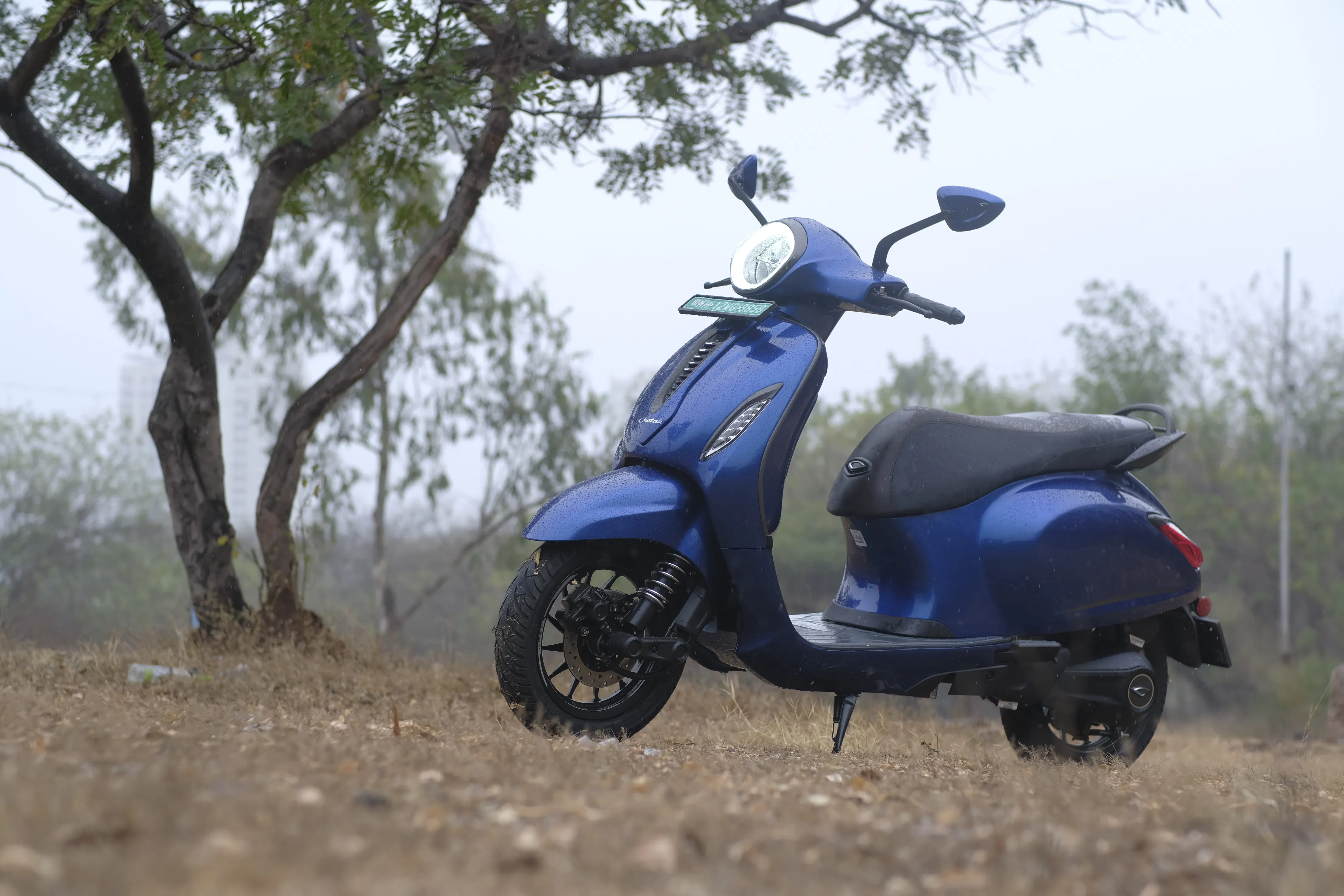
A typical electric scooter costs approximately ₹0.15-0.20 per km to run on home charging. A petrol scooter at current prices costs approximately ₹2.17 per km (at 45 kmpl and ₹97.77/litre petrol). That's roughly a 10x difference in running costs.
For electric car owners, the maths is similarly compelling. An electric car running at 7 km/kWh with home charging at ₹8/kWh costs about ₹1.14 per km. A petrol car running at 15 kmpl at ₹97.77/litre costs ₹6.52 per km – nearly 6x more expensive.
LKP Securities analyst Jateen Trivedi noted that the fuel hike may further accelerate the push towards EV adoption and reduced dependence on imported fuel. Given that EV sales in India have been growing at 40-50 per cent year-on-year already, this hike could push fence-sitters toward making the switch sooner.
What Should You Do Right Now?
Some practical steps for vehicle owners:
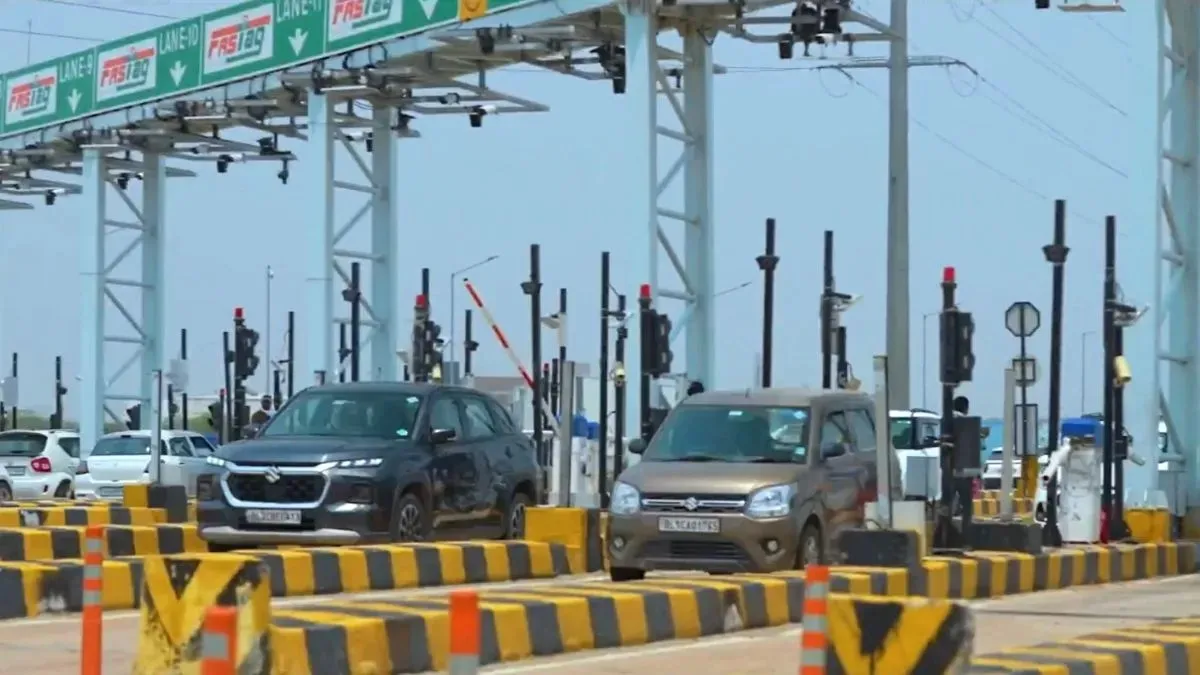
Check your FASTag balance. Toll prices at some plazas are linked to fuel costs and may see revisions. Ensure you're not caught with insufficient balance.
Review your driving habits. This is a good time to check tyre pressures (under-inflated tyres reduce fuel efficiency by 3-5%), remove unnecessary weight from your car, and use cruise control on highways where possible.
Consider CNG or EV for your next vehicle. If you're in the market for a new car or two-wheeler, the running cost calculations have just shifted further in favour of alternative fuels. CNG still offers significant savings over petrol, and EVs offer the biggest long-term savings of all.
Budget for potential further hikes. If industry analysis is correct and more corrections are coming, building a small buffer into your monthly transport budget is prudent.
The Bottom Line
A ₹3 hike after four years of frozen prices might seem modest. But context matters. It comes against the backdrop of a West Asia conflict that has pushed crude above $113, OMCs bleeding losses that were financially unsustainable, and an economy already grappling with wholesale inflation at a 42-month high.
For the average Indian motorist, the immediate impact is a few hundred rupees more per month. The larger concern is what comes next – both in terms of further fuel price corrections and the cascading inflationary effect on everyday expenses.
The fuel price freeze was always an illusion of stability. Today's hike is reality catching up. And if crude prices don't come down, this is just the first instalment.
For the latest auto industry updates, fuel price tracking, and practical ownership advice – keep visiting TechyRobber.com. Share this breakdown with anyone who drives – they need to see these numbers.